Quiet Light, Lasting Comfort

Step inside a world where subtle glow guides daily life. Today we explore understated lighting plans for refined home ambience, showing how gentle layers, balanced color, and invisible controls shape rooms that feel calm and richly detailed. Expect practical tips, small stories from real homes, and ideas you can try tonight. Share your space challenges in the comments and subscribe for sketches, checklists, and future experiments you can adapt room by room.

The Art of Restraint

Soft Layers, Strong Impact

Begin with a barely-there ambient base, then add focused accents only where life happens: over a reading chair, across artwork, along shelving. Each layer is gentle alone but purposeful together, revealing edges and shadows without sparkle or harshness. The result feels composed, generous, and effortlessly supportive of conversation.

Human-Centric Perception

Eyes relax when luminance ratios are modest and predictable. By balancing ceiling, wall, and task levels, we prevent squinting and allow pupils to settle, reducing fatigue over hours. The space reads as serene because contrast belongs to objects and art, not glaring emitters competing for attention.

Calm Over Clutter

Fewer fixtures, better placed, often outperform armies of bright cans. Consider architectural coves, low-glare recessed, and petite floor lamps with dimming. The room breathes because the ceiling is quiet, cables disappear, and the light itself, not the hardware, carries the atmosphere that anchors mindful living.

Ambient Foundations

Use concealed lines or indirect pendants to kiss ceilings and upper walls, building a gentle base around 5–15 foot-candles in living areas. Consistency across the room lets eyes relax, while slight gradients near edges shape volume. Aim for dimming range wide enough to track sunrise, weather, and family routines gracefully.

Thoughtful Task Beams

Introduce higher intensity only where hands and minds work: counters, desks, craft tables, vanity mirrors. Shield the source, cut glare, and keep beams tight to the job. Dim independently from ambient so you never flood entire spaces for one task, protecting comfort while preserving depth and intimate character.

Color, Warmth, and Fidelity

Color temperature and rendering make subtle plans believable. When whites are clean and skin looks natural, restraint reads as intentional luxury rather than austerity. We consider 2700–3000K for evening comfort, higher when needed by daylight. High CRI or R9-rich sources keep wood, stone, and fabrics honest and satisfying.

Choosing Temperatures That Soothe

Warm light supports relaxation by aligning with sunsets our bodies intuitively trust. In living rooms, bedrooms, and dining, 2700K gently flatters skin and materials, while 3000K keeps kitchens crisp without feeling clinical. Blend transitions with dim-to-warm or layered circuits so late-night routines glide from focus to rest naturally.

High CRI, Natural Life

Rendering matters when restraint limits quantity; quality must do more. Choose sources with high CRI and strong R9 so tomatoes look edible, walnut reads rich, and linen stays nuanced. Guests notice the comfort subconsciously, associating hospitality with clarity, not brightness. The home feels elevated because colors carry emotion faithfully.

Consistency Across Spaces

Jumping between wildly different color temperatures from room to room creates tension that undermines calm. Maintain a cohesive palette with small, purposeful shifts by function and time. This steadiness lets sightlines feel continuous, expands perceived scale, and ensures artwork, finishes, and faces remain inviting throughout the home.

Controls That Disappear
Dimming Curves You Can Feel

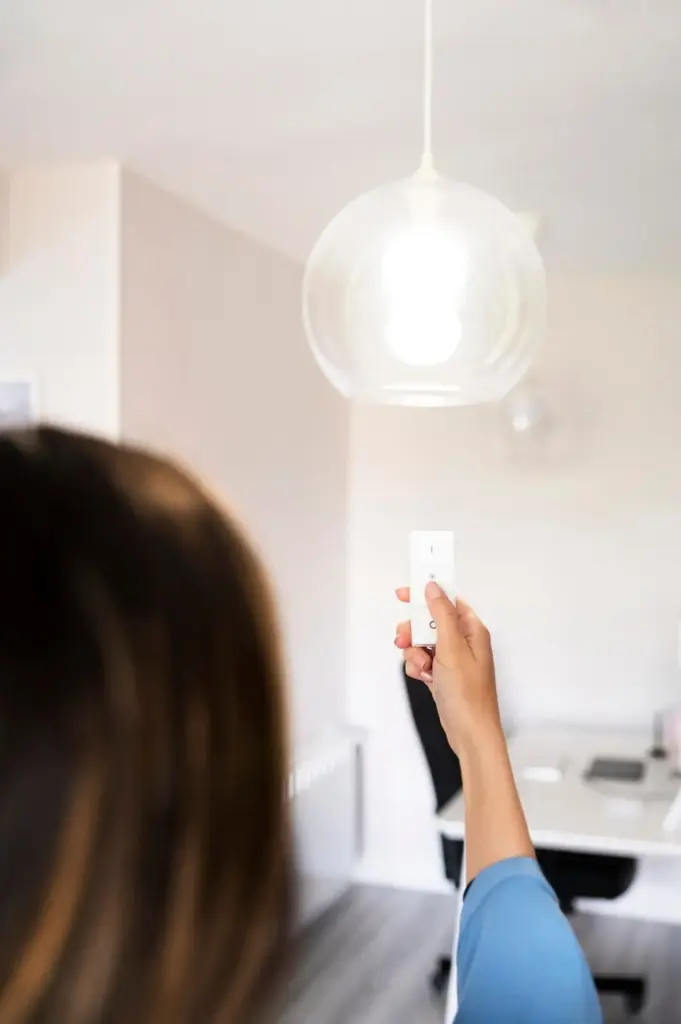
Linear dimming often feels abrupt at low levels. Choose logarithmic or square-law curves that mirror human perception, giving fine control during evening wind-downs. Pair with warm-dimming sources to maintain color intimacy as intensity drops, ensuring eyes remain comfortable while conversation, music, and texture take center stage effortlessly.
Scene Setting for Daily Rituals

Linear dimming often feels abrupt at low levels. Choose logarithmic or square-law curves that mirror human perception, giving fine control during evening wind-downs. Pair with warm-dimming sources to maintain color intimacy as intensity drops, ensuring eyes remain comfortable while conversation, music, and texture take center stage effortlessly.

Quiet Technology, Clear Benefits

Linear dimming often feels abrupt at low levels. Choose logarithmic or square-law curves that mirror human perception, giving fine control during evening wind-downs. Pair with warm-dimming sources to maintain color intimacy as intensity drops, ensuring eyes remain comfortable while conversation, music, and texture take center stage effortlessly.

Architecture as the Luminaire

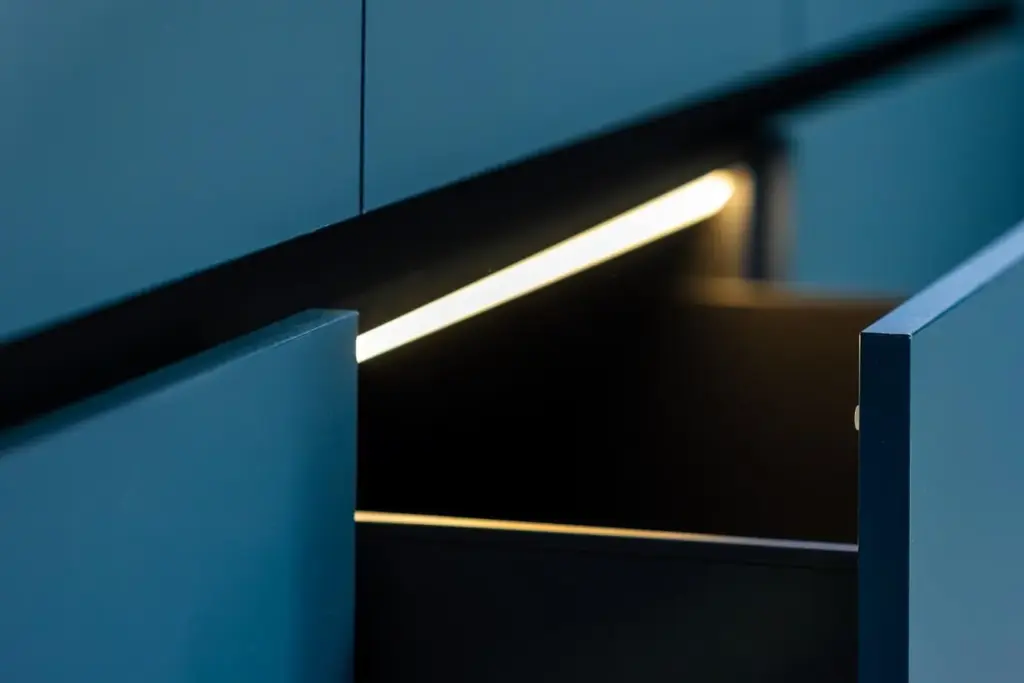
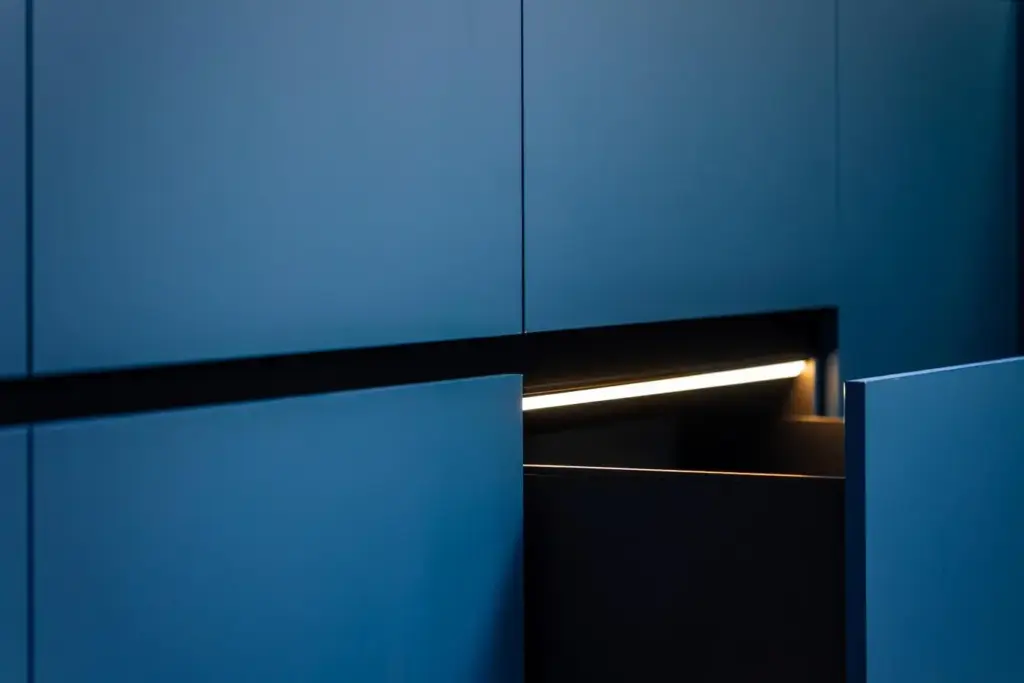
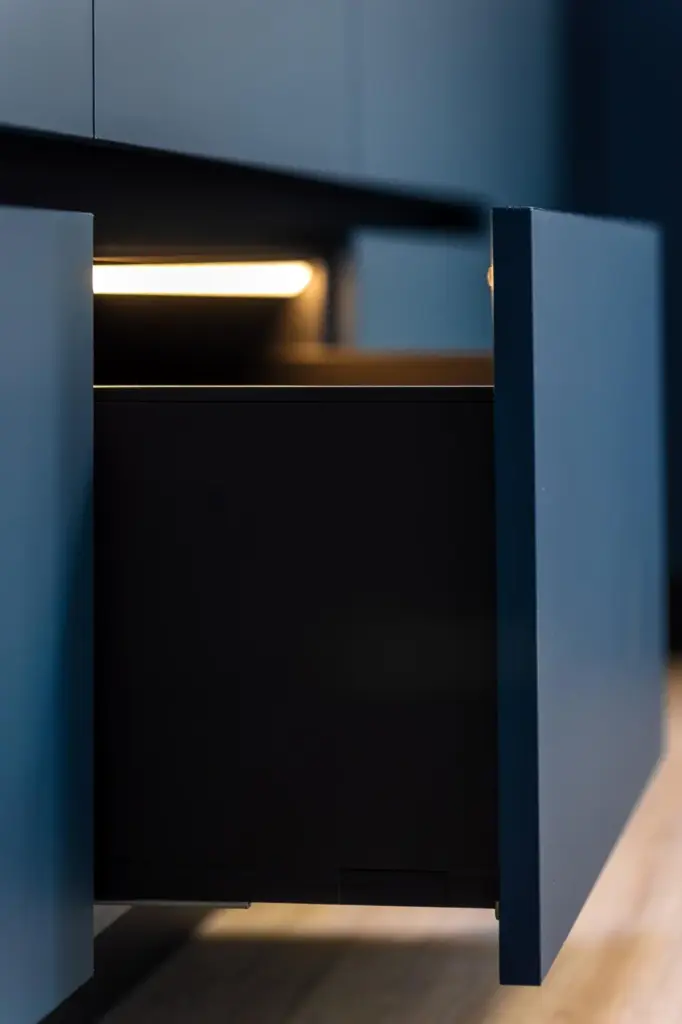
When architecture carries light, rooms feel serenely intentional. Coves, reveals, and wall-washes sculpt volume without exposing harsh sources. Trimless details withdraw from view, letting plaster, wood, and stone speak. This approach supports timeless interiors because the structure, not trend-driven fixtures, shapes atmosphere with quiet confidence and durable elegance.

From Blueprint to Lived Experience

Process turns intention into comfort. We begin with a simple brief, sketch layers on floor plans, test mockups with temporary lamps, and walk the space at dusk to verify ratios. A small anecdote: one family swapped high-output cans for indirect coves and immediately noticed calmer dinners, easier conversation, and kinder reflections.
Pakeveturovelekezekipi
Privacy Overview

This website uses cookies so that we can provide you with the best user experience possible. Cookie information is stored in your browser and performs functions such as recognising you when you return to our website and helping our team to understand which sections of the website you find most interesting and useful.